Yocheved at the River
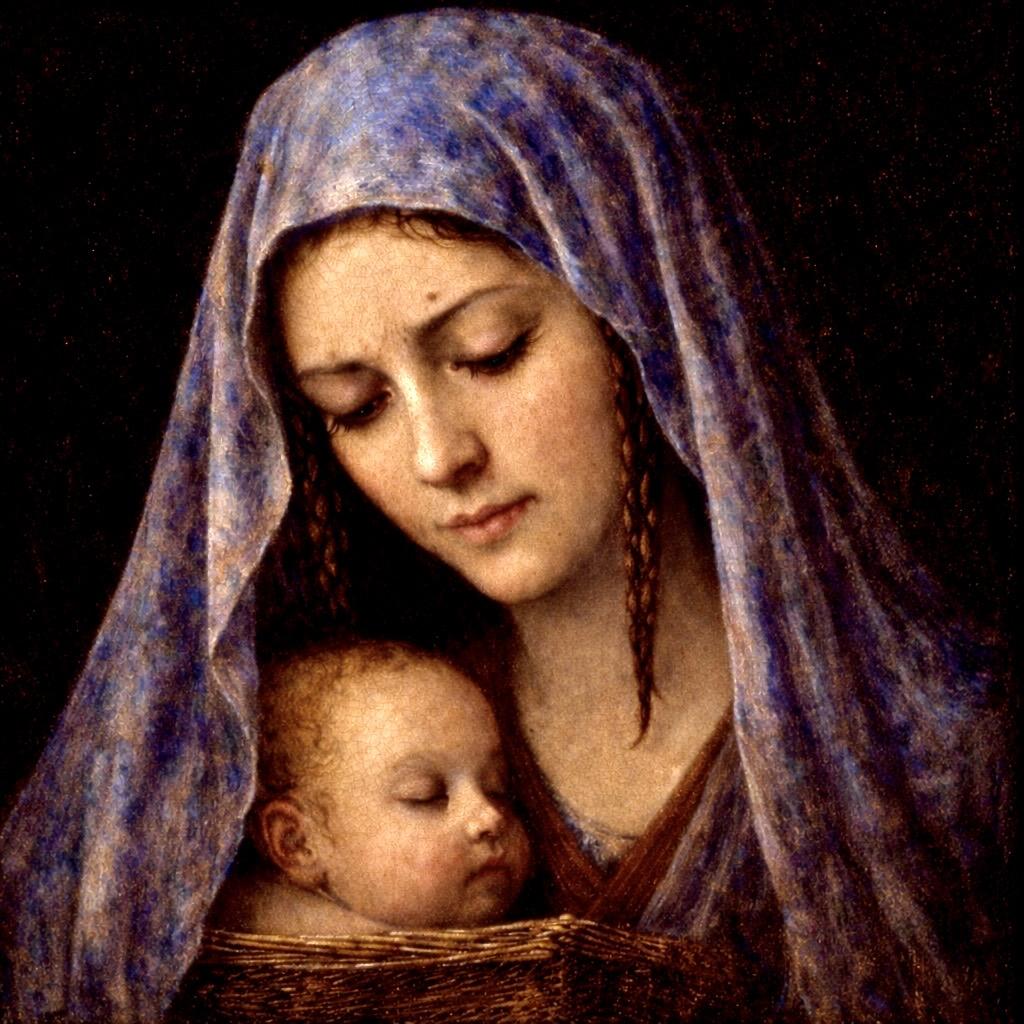
“She took for him a basket of reeds and sealed it with pitch and tar, and placed the child within it, and set it among the reeds at the edge of the river.” — Exodus 2:3
The essay
Chazal teach that at this moment Yocheved’s prophecy withdrew, nistalkah mimenah Shekhinah (Sotah 12a). Until now she knew this child would save Israel; here, she acts without certainty. Faith becomes choice.
Midrash describes her sealing the basket from within and without (Shemot Rabbah 1:23): protection against water, against beasts, and against her own heart breaking open.
The work circles the moment before release, the struggle within it, and the discipline required to let go. The child cries, as Chazal note, so that he would be found (Shemot Rabbah 1:24). She does not.
The subject is not revelation. It is restraint: holiness enacted not through Divine interruption, but through human resolve. Yocheved cannot control what happens next. She can only make the basket, protect what she can, and release her child toward a future she cannot see.
Visual conversation
The composition draws from Antonello da Messina’s Annunciation of Palermo (c. 1474), especially its inward gravity, lowered gaze, and translucent veil.
Learning questions
How does faith change when certainty is unavailable?
What makes letting go an act of care?
What can we protect, and what must we finally release?
Process note
This VisualMidrash work may use AI-assisted image-making as part of a directed artistic process. It is an interpretive image, not a documentary photograph, archaeological reconstruction, or claim about the historical appearance of biblical figures.