Art & Sofrut
Hebrew letters, Jewish mysticism, archaeology, and botanical art.
My work as an artist and sofer in training begins with Hebrew letters. I am interested in how they are formed, how they have been preserved, and what can happen when they are approached not only as language, but also as image, symbol, and sacred form.
“Bezalel knew how to join the letters with which heaven and earth were created.”
".אָמַר רַב יְהוּדָה אָמַר רַב: יוֹדֵעַ הָיָה בְּצַלְאֵל לְצָרֵף אוֹתִיּוֹת שֶׁנִּבְרְאוּ בָּהֶן שָׁמַיִם וָאָרֶץ"
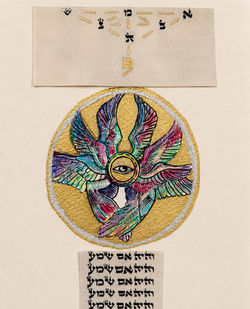
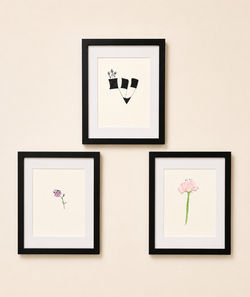
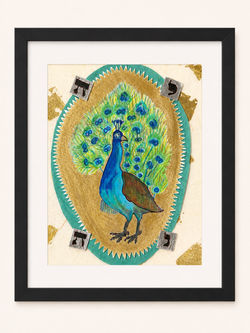
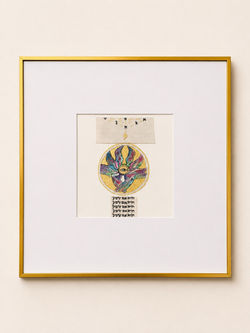
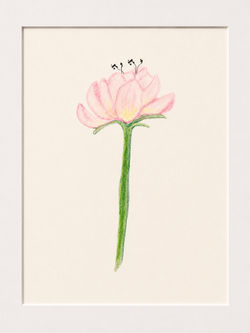
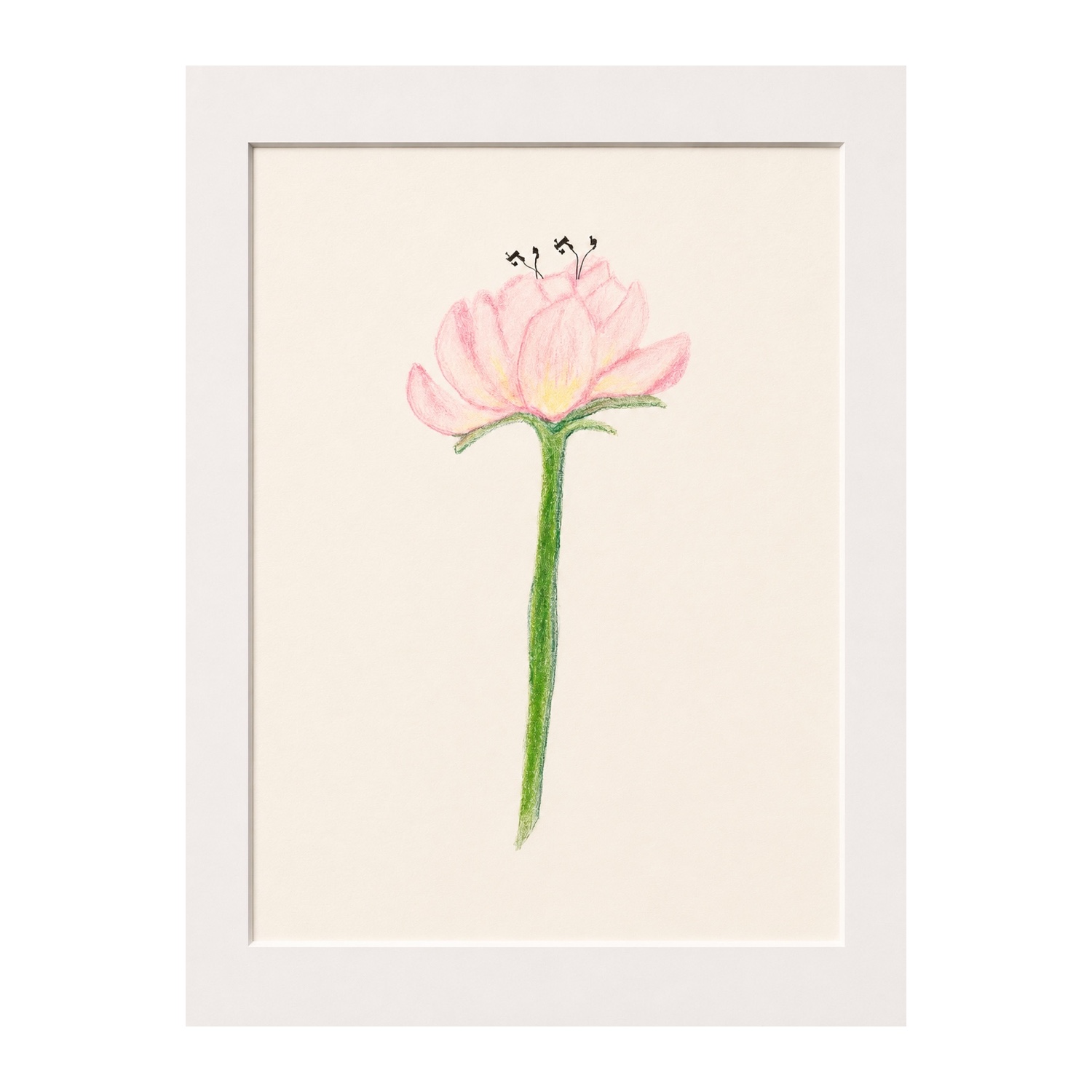
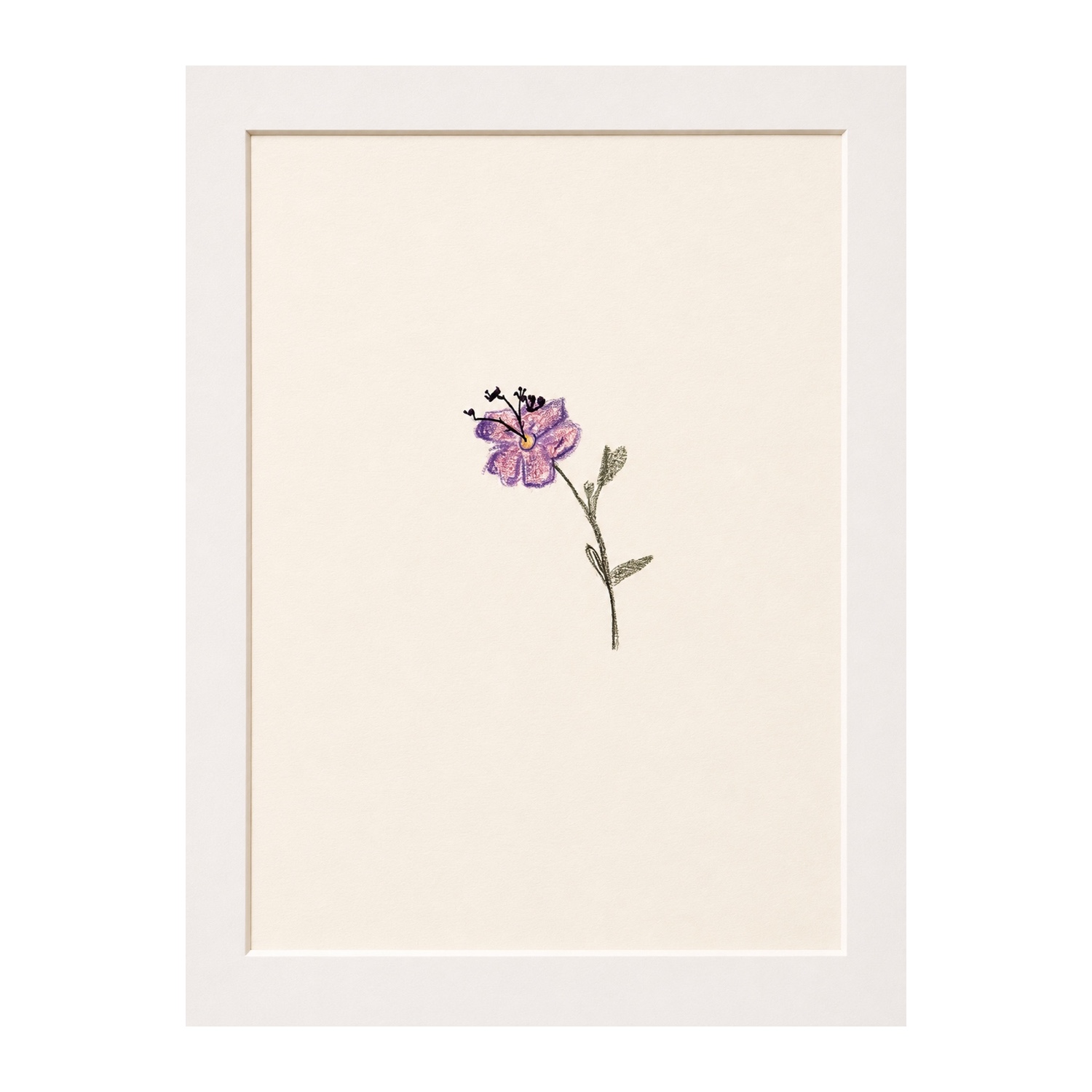
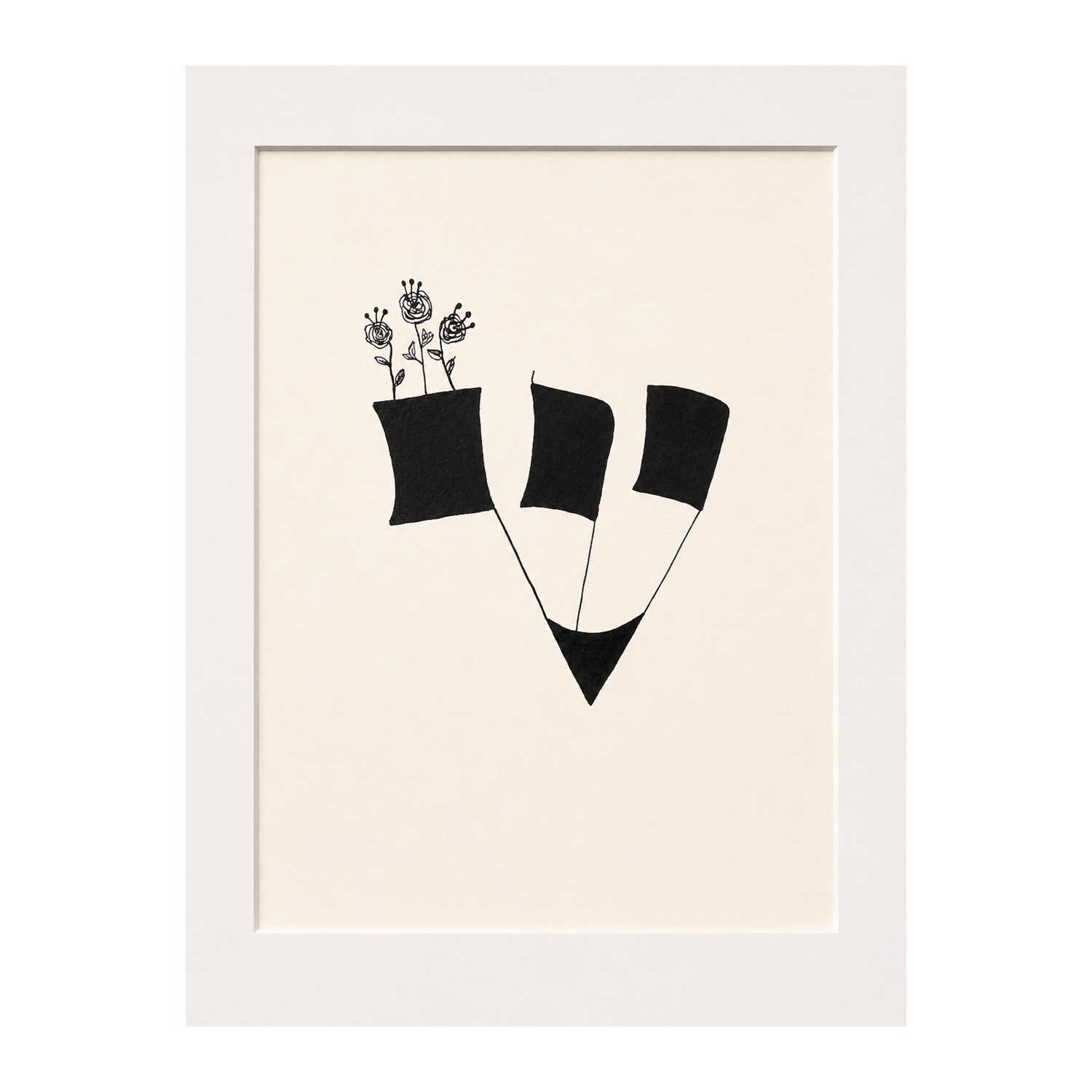
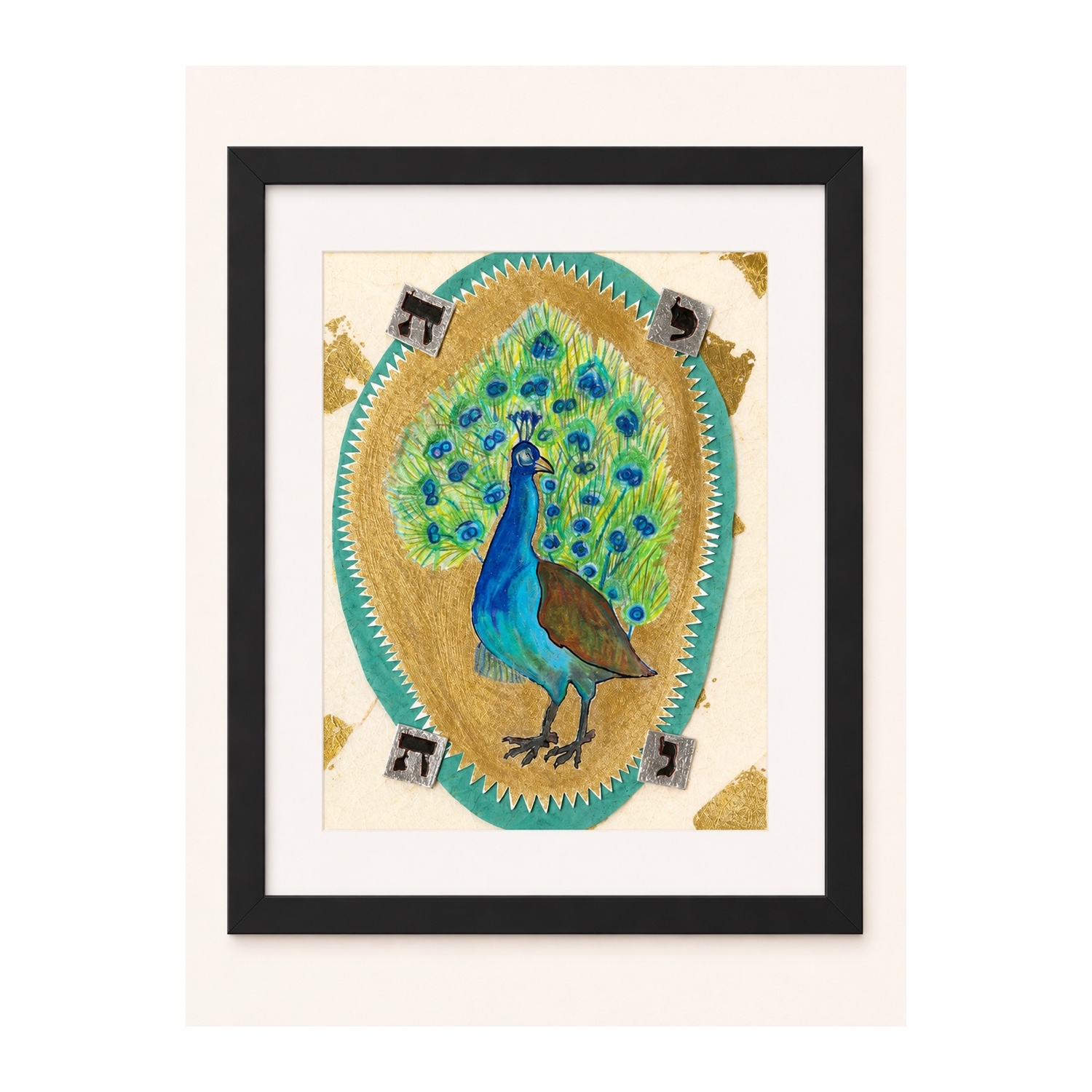
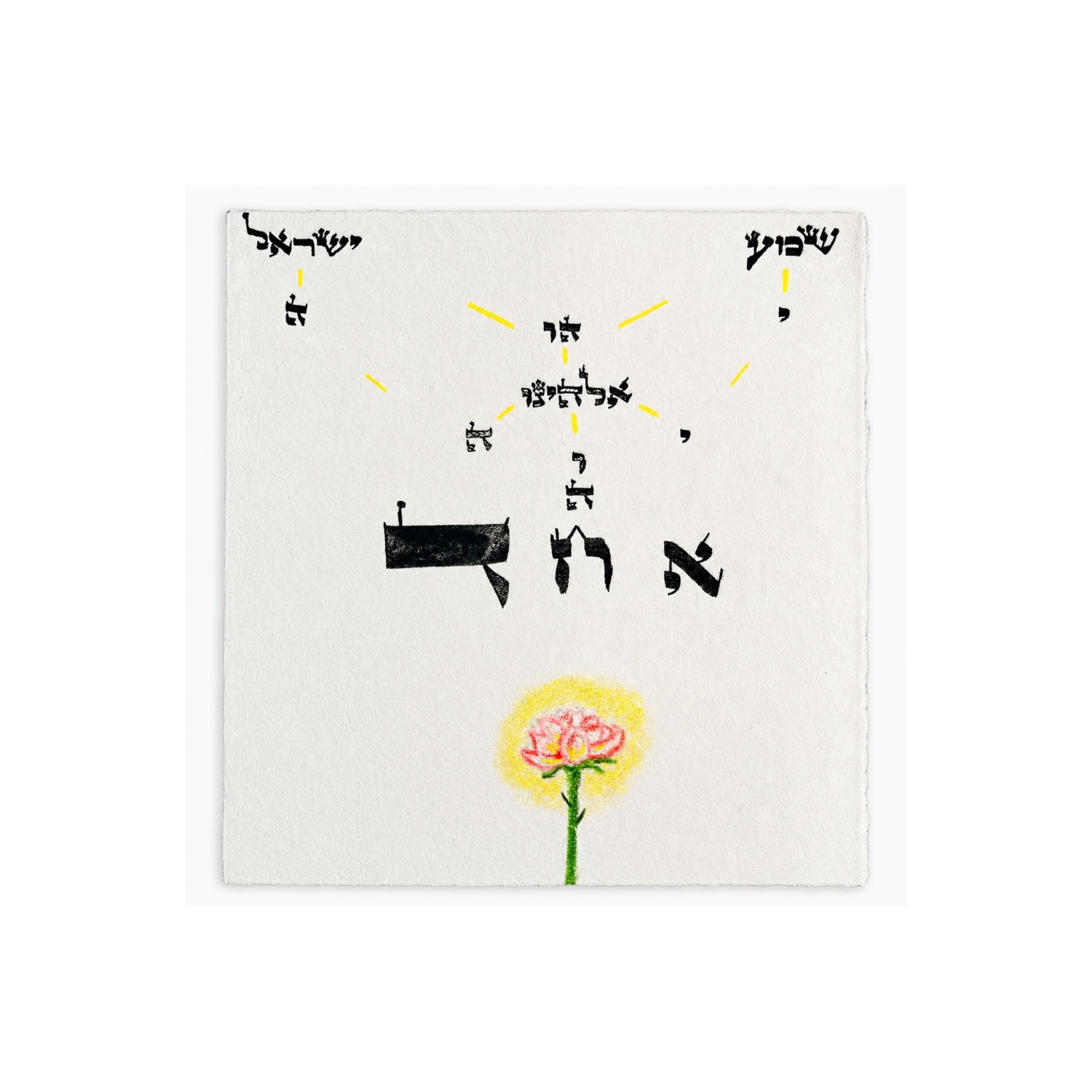
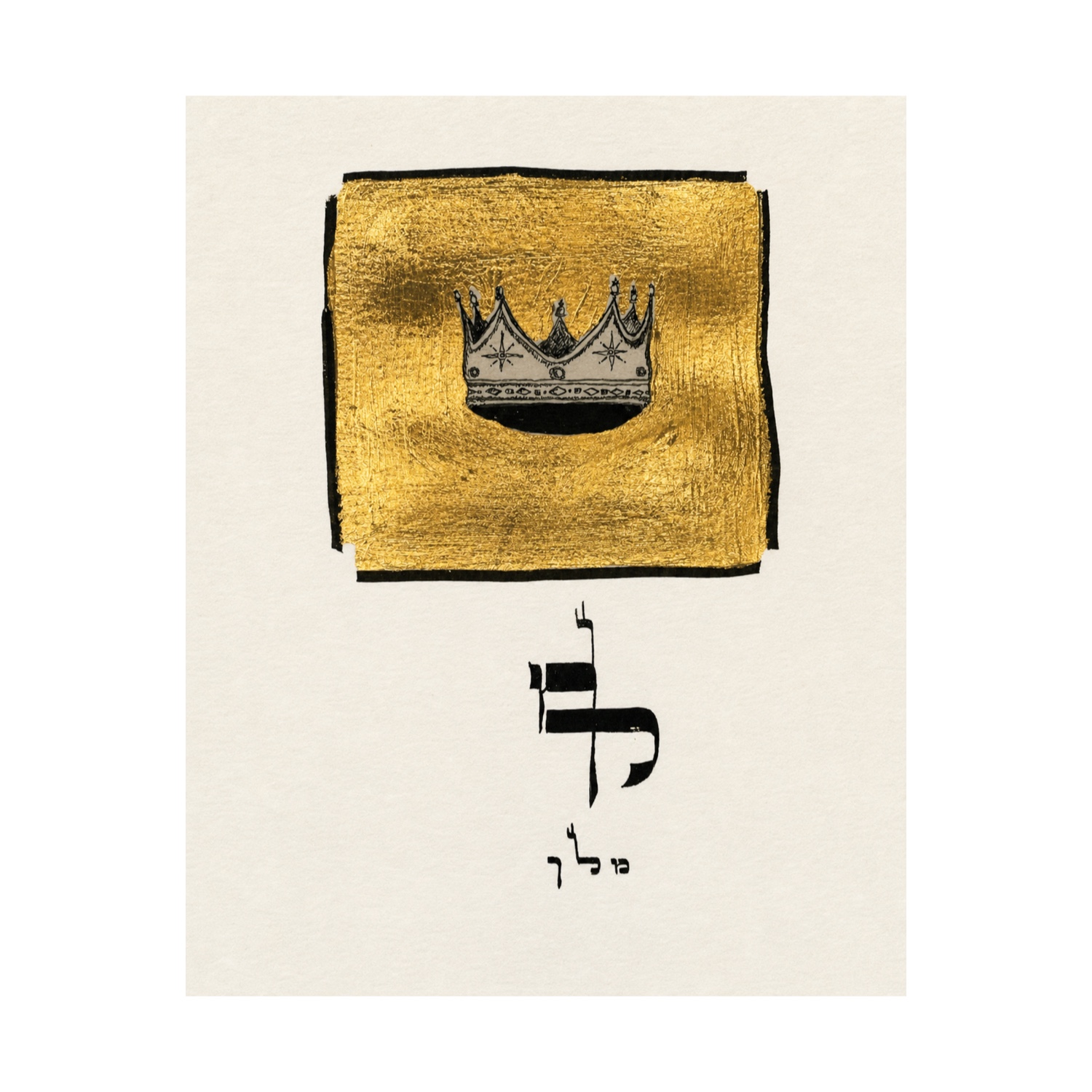
"Botanical Forms" and other art by Rabbi Reichenbach
 |  |  |
|---|---|---|
 |  |  |
 |  |  |
 |  |
Art & Sofrut as part of my rabbinate
Some of the most meaningful moments in my rabbinate are those in which I get to create something sacred with a congregant or someone seeking a path into Jewish spirituality, practice, or art.
In this case, I was honored to be asked to compose a special blessing to mark the naming of a Jewish child who would not undergo Brit Milah. Collaborating with the family, we crafted a ritual that resonated with them and was deeply rooted in our tradition.
ברוך

First, I wrote the words of the Birkat HaCohanim (the Priestly Blessing) on Vellum using traditional Kosher ink. Then, I inscribed the child’s chosen Hebrew name in adhesive glue. Finally, I applied real 24-karat gold leaf.
After the work was completed, we read the blessing to the child, welcoming him into the community of Israel.
The culminating moment was when we dipped little Baruch’s finger in the ink and had him press his fingerprint onto the parchment, tying him forever to his Hebrew name.
A Note on Practice
These pieces are personal works of art informed by traditional scribal study. I remain a student and practitioner of sofrut. Unless a piece is explicitly identified otherwise, the works shown here are not intended or represented as kosher STaM for ritual use.
Learning Sofrut
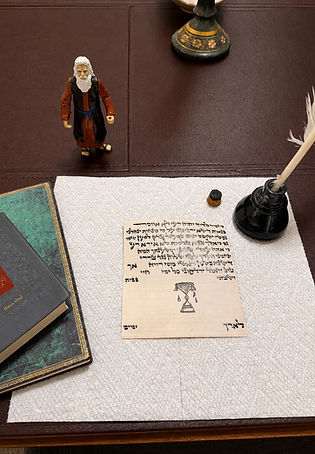
I first began learning sofrut while studying at the Pardes Institute of Jewish Studies in Jerusalem under Rabbi Dov Laimon. Dov offered a course in scribal arts to anyone who was interested and willing to take the work seriously. It did not matter whether you were of every gender and every orientation. What mattered was that you loved Torah and wanted to learn deeply about the laws of the letters.
His course combined hands-on practice in traditional letterforms, quill, ink, and parchment with halakhic, midrashic, kabbalistic, and Hasidic teachings about writing. I became fascinated by the precision of the practice and by the care through which Jewish communities have preserved and transmitted sacred texts across generations.
.jpeg)
Study, Loss, and Making Art
When I returned to the United States and began rabbinical school at the New York campus of Hebrew Union College-Jewish Institute of Religion, I continued to be fascinated by archaeology and the Hebrew language. My time studying the texts closely revealed another level to me. I became drawn to the beautiful language our ancestors used in Tanakh, Talmud, and especially the Zohar, not only for what the words say, but also for what Jewish tradition imagines the letters themselves can contain.
I took many classes with Dr. Sharon Koren, whose work focuses on medieval Jewish culture and mysticism. Her classes opened a gateway for me into Kabbalah and the Zohar.
After the tragic loss of a close friend, Devra Freelander, who was herself an artist, I suddenly felt compelled to create. It felt as though a spark of her spirit had lifted and nestled itself in my heart. I began working in many media, but something always drew me back to sofrut, Hebrew, and the power that words themselves can contain beyond their surface meanings.
Z"L Devra Freelander
Archaeology and the Written Past
I had always been obsessed with archaeology, especially archaeology in Israel that related to the biblical narrative. The artifacts that fascinated me most were those containing inscriptions, chief among them the Dead Sea Scrolls, the Copper Scroll, and the two silver amulets from Ketef Hinnom that bear versions of the Priestly Blessing.
When I was younger, I dreamed of finding an ostracon, a bulla, a coin, or an intaglio while hiking. Stories like that occasionally emerge from Israel. Someone reaches down for what first appears to be a stone and discovers a piece of our history. Sadly, that never happened for me.
Sofrut gave me a different way of touching the past. It placed the physical act of transmission in my own hands. Every letter is made one stroke at a time, and the life of a text depends on people willing to sit, concentrate, and write.
Amulets, Art, and Jewish Memory


I went on to write my senior thesis about Kabbalah and Jewish amulets: their history, how they were used, and what place they might have today as art, as expressions of spirituality, and as connections to our people's history.
That research still shapes what I make. I am interested in what happens when a Hebrew letter is not only read, but also seen as a shape and encountered as an object. My work often moves between text and image, scholarship and spiritual practice.