top of page

Selected Works
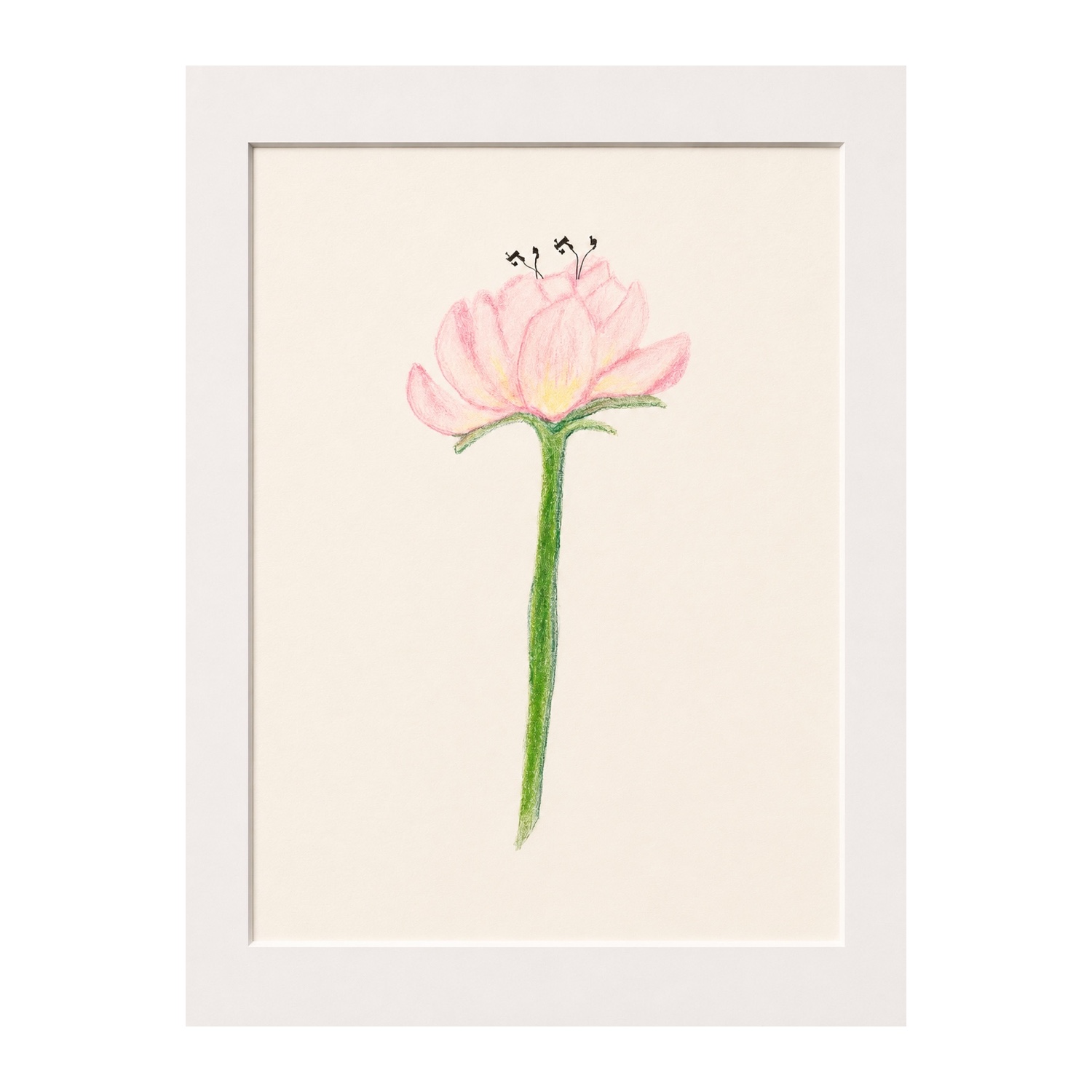
A pink peony drawing whose reproductive center is formed from the four Hebrew letters of the Divine Name.

Pink Flower (Hebrew Letters)

I. Botanical Forms: letters as living bodies

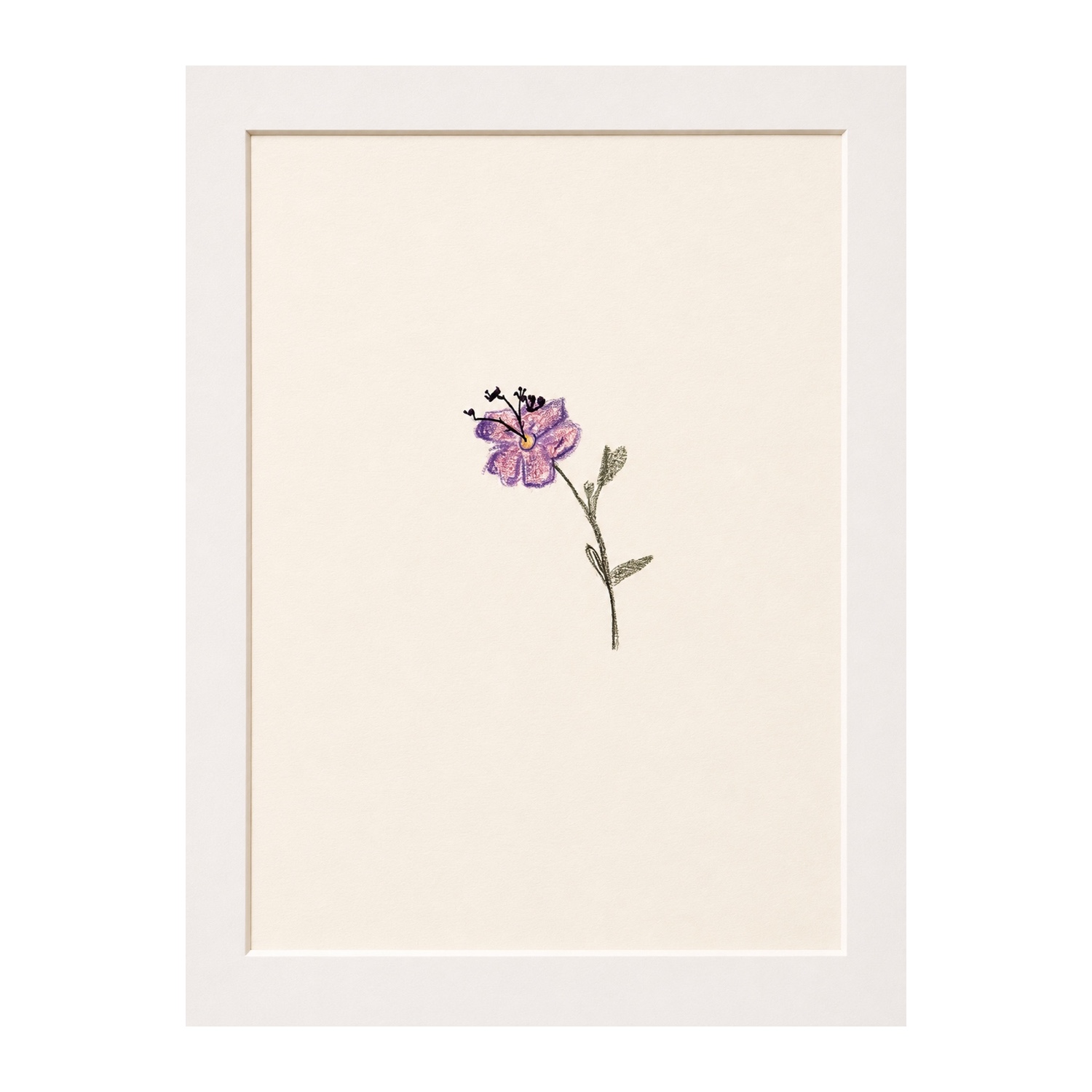
A small violet drawing whose center grows into the Hebrew letters spelling Shaddai.

Purple Flower (Hebrew Letters)

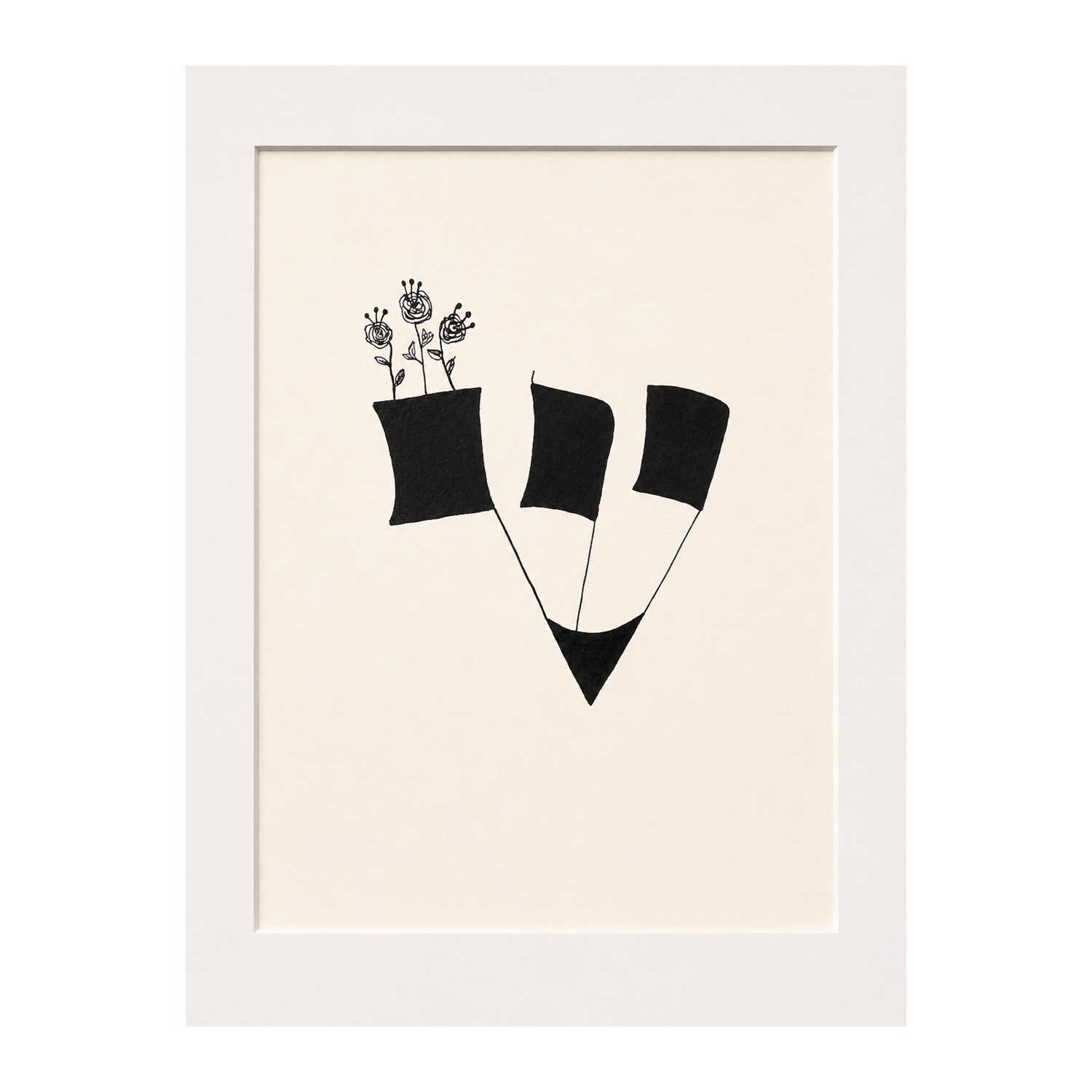
One large black Hebrew shin with three small flowers rising from its upper-left stroke as tagin.

Shin with Flowers

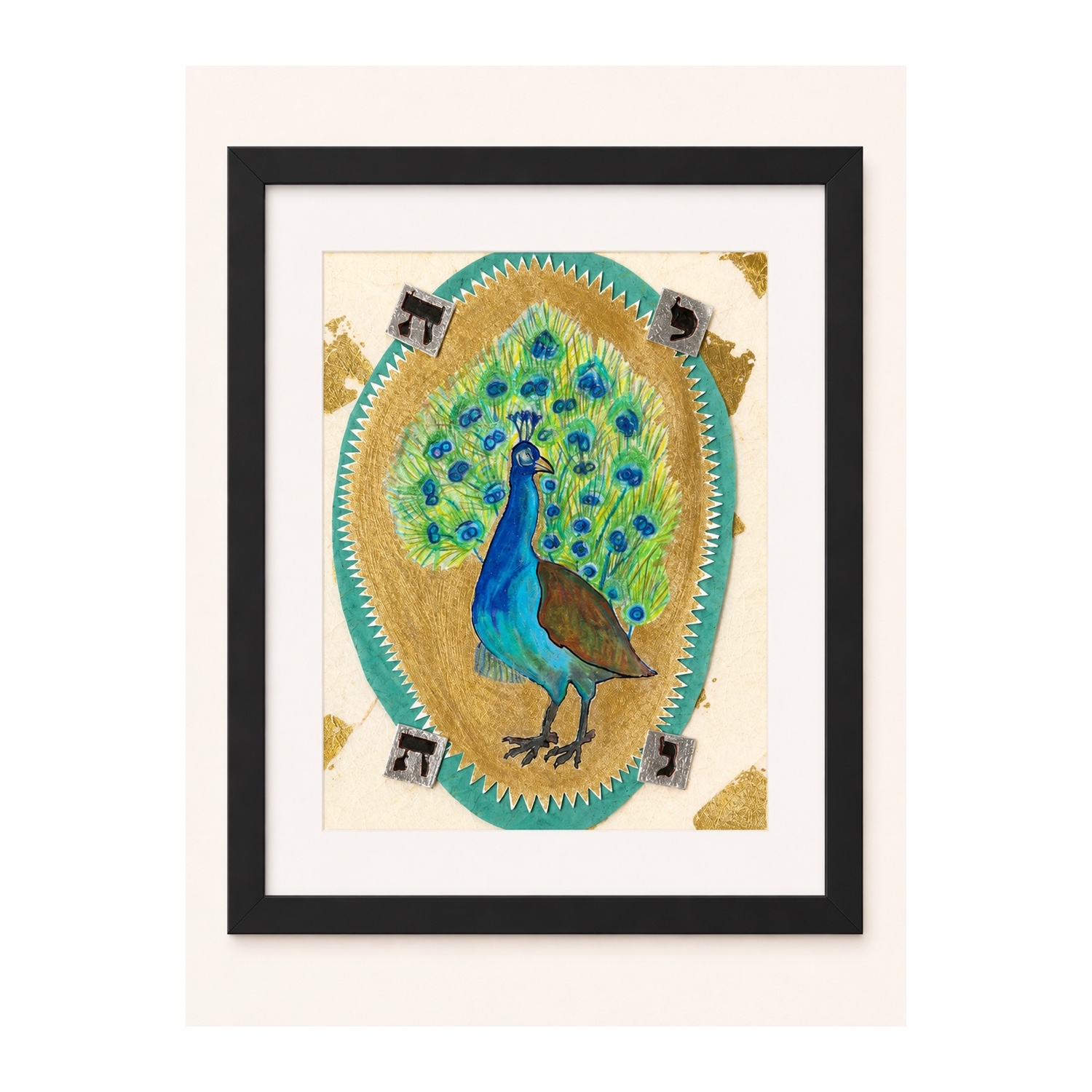
A radiant peacock in turquoise, blue, and gold surrounded by forms bearing the Hebrew Divine Name.

Peacock (Hebrew Illumination)

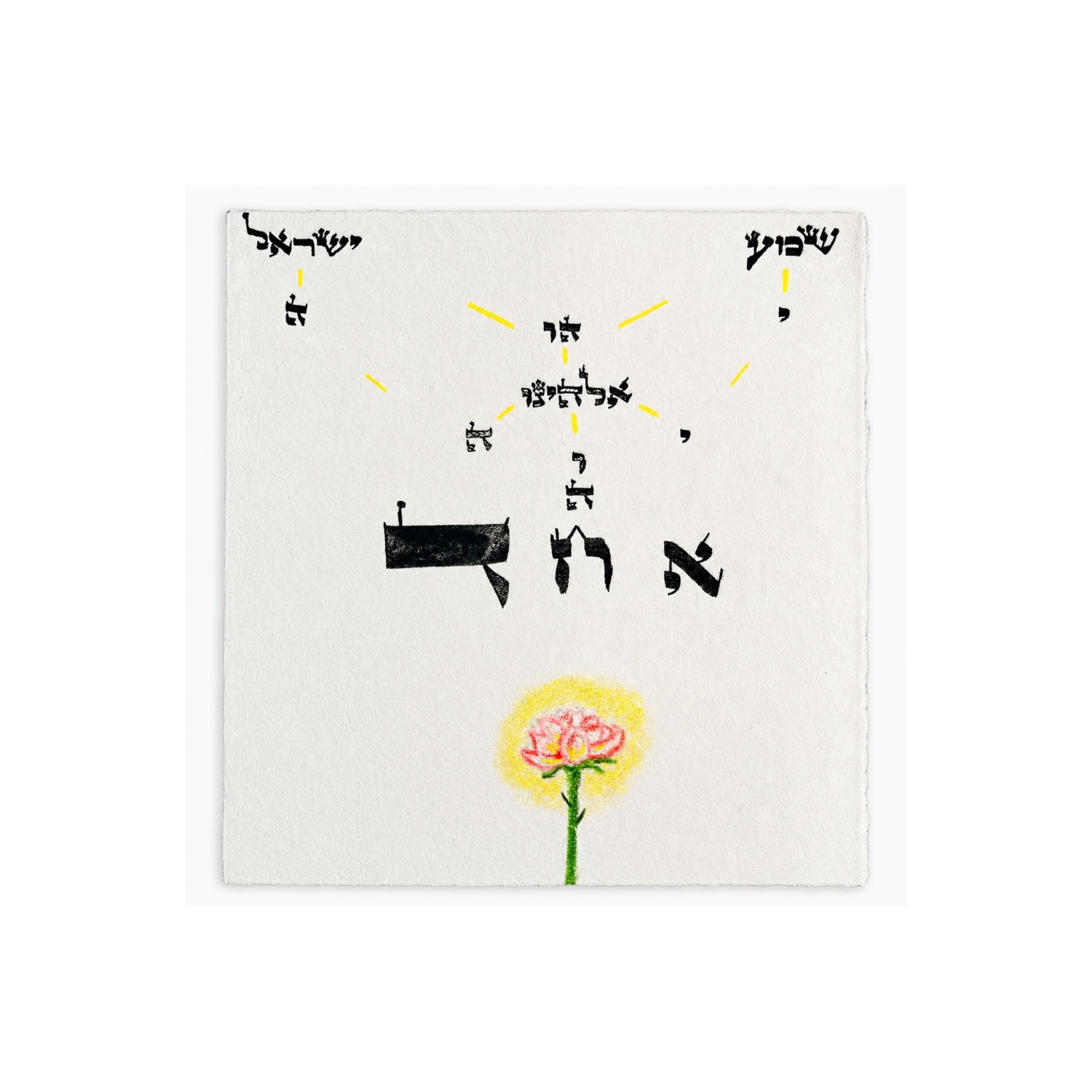
The first line of the Shema spreads across the page in Hebrew and culminates in a single fused form for Echad, connected by yellow light to a flower below.

Botanical Forms (Untitled)

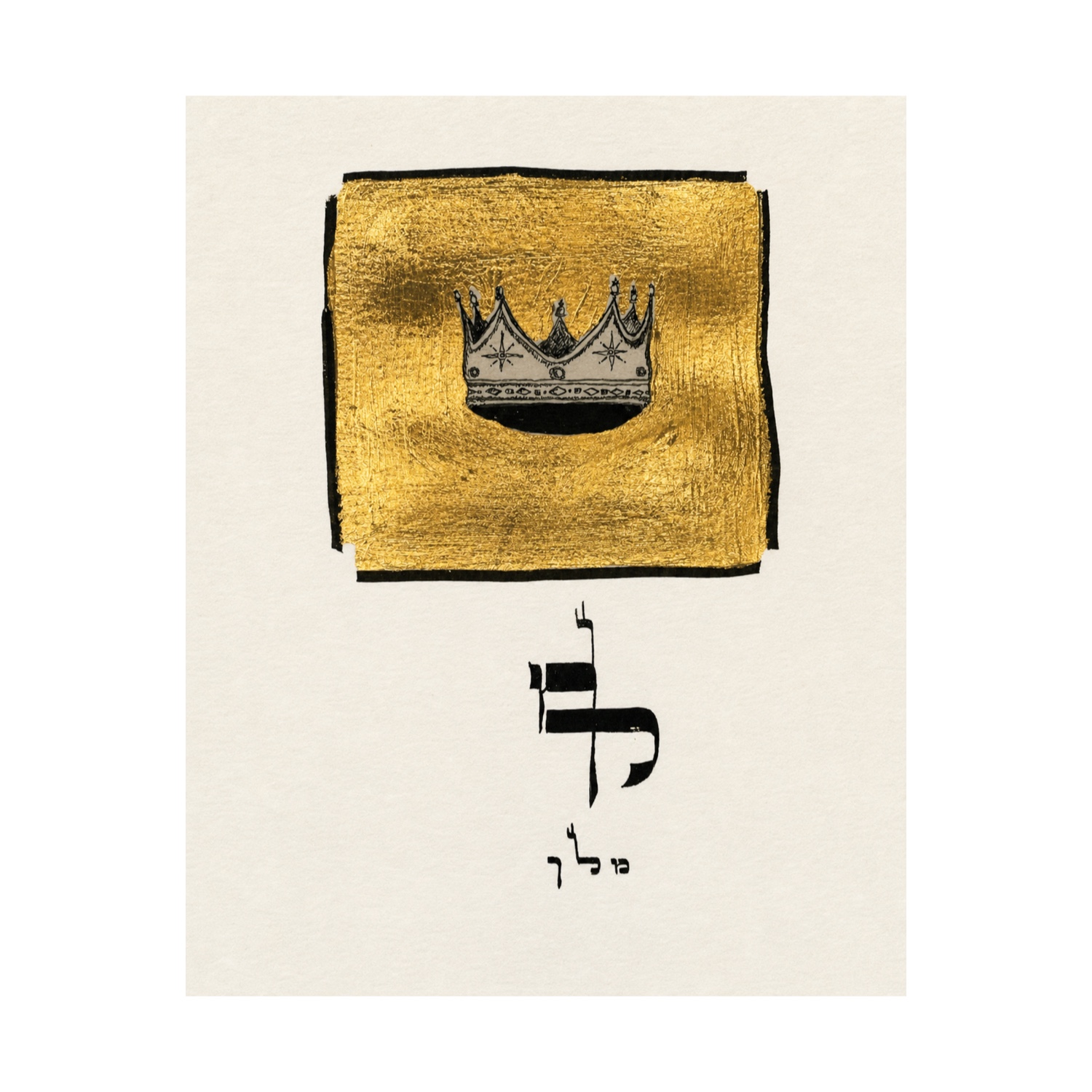
The Hebrew letters of melekh share strokes in one black form beneath an outlined crown surrounded by gold.

Melekh

II. Fused-Letter Works: letters concentrated into one form

Botanical Forms begins from a very old Jewish intuition: that Hebrew letters do not only describe creation but take part in making it. In these works, Divine Names become the anatomy of flowers and animals: letters grow as stamens, crowns, petals, vessels, and bodies. The movement runs both ways. A flower could not bloom without the emanation that sustains it, but the Name could not take on a body without the flower. If God is going to be present in the world, then the world has to genuinely exist, and we have to learn to look at it. These pieces ask how an infinite source enters finite forms and how color, sexuality, fragility, and decay answer back.

bottom of page